O Ensaio da Luz/The Rehearsal of Light
- luaemp
- 22 de mar
- 4 min de leitura
(Followed by the English version)

Desesperados por qualquer raio de sol, os irlandeses contam, ao minuto, o tempo que a luz permanece antes da chegada da noite… As expectativas aumentam à medida que a claridade se deixa ficar entre o verde e as casas… Março não é Verão. É promessa e isso é bonito…
Ninguém se ilude, mas todos acreditam um pouco mais.
O frio ainda morde, a chuva continua a cair sem pedir licença, mas há qualquer coisa no ar que garante que o Inverno já partiu…
A luz estica-se quase impercetivelmente, as janelas abrem-se por mais tempo… Há passos que se demoram nas ruas e o amarelo que invade o verde pintando a paisagem — Narcisos, Tojo, as Maias que mimeticamente acompanham esse crescendo de luminosidade.
Os primeiros espalham-se como pequenas lâmpadas entre a relva húmida. O tojo acende-se nos montes e nas bermas dos caminhos, com uma tonalidade mais intensa e quase selvagem. As maias florescem, determinadas em decalcar a claridade.


Um palco de cenários e holofotes preparados onde decorre o ensaio da luz.
Também as árvores — aquelas que, sem pudor, se despem no Inverno — insinuam o verde. Um verde pálido, tenro, ainda sem a exuberância do figurino completo… mas que já se alinhava, meticulosamente, segundo o esboço de alta-costura da próxima estação.
Verdade que o céu hesita antes da estreia, acizentando, coando o dia … Mas os pássaros que regressam dão-lhe a coragem do azul…
E são muitas as espécies que, em pequenos bandos, irrompem Irlanda adentro. Uma das primeiras é o Peneireiro-das-rochas — Wheatear (Oenanthe oenanthe). Conhecida pelo bico fino, pelas costas castanho-acinzentadas, peito e bochechas brancas ou creme, e cauda contrastante — branca com ponta preta — pousa frequentemente sobre rochas ou muros baixos. Os seus movimentos são rápidos e o seu canto discreto sem algazarra ou histeria.
A Andorinha-do-banco de areia — Sand Martin (Riparia riparia) — rasga o céu, antes mesmo da chegada das andorinhas clássicas. Pequena e ágil, tem costas castanho-acinzentadas e ventre branco, com a faixa castanha característica no peito. Rápida e ligeira, rasga o ar em pequenos bandos, pousando apenas nos bancos de areia ou margens arenosas.
Com a luz plena do equinócio, no fim de Março/início de Abril, chegam as andorinhas-das-chaminés — Barn Swallow (Hirundo rustica) — e as andorinhas-dos-bicos-finos — House Martin (Delichon urbicum). Ágeis e graciosas, cruzam o céu em pequenos bandos, rasgando o ar com os seus voos elegantes. A barriga alaranjada e a cauda bifurcada das primeiras contrastam com o ventre branco e as costas azul-escuras das segundas, anunciando que a primavera já se instalou de vez. Pousam sob beirais e beiradas, entrelaçando-se com o mundo humano — como se sempre tivessem feito parte dele.
E nós, todos nós, desertos para que o espectáculo se inicie, vamos tomando os lugares na plateia…
English version
Desperate for any ray of sunlight, the Irish measure, minute by minute, how long the light lingers before night falls… Expectations rise as the brightness settles among the greenery and the houses… March is not Summer. It is a promise, and that is beautiful…
No one is fooled, but everyone believes a little more.
The cold still bites, the rain continues to fall without asking permission, yet there is something in the air that assures us Winter has already departed…
The light stretches almost imperceptibly, windows stay open a little longer… Footsteps linger in the streets, and yellow spreads across the green, painting the landscape — Daffodils, Gorse, and Mayflowers mimetically following this crescendo of light.
The first scatter like tiny lamps across the damp grass. The gorse ignites on hills and along the edges of paths, its hue more intense, almost wild. The Mayflowers bloom, determined to trace the light.
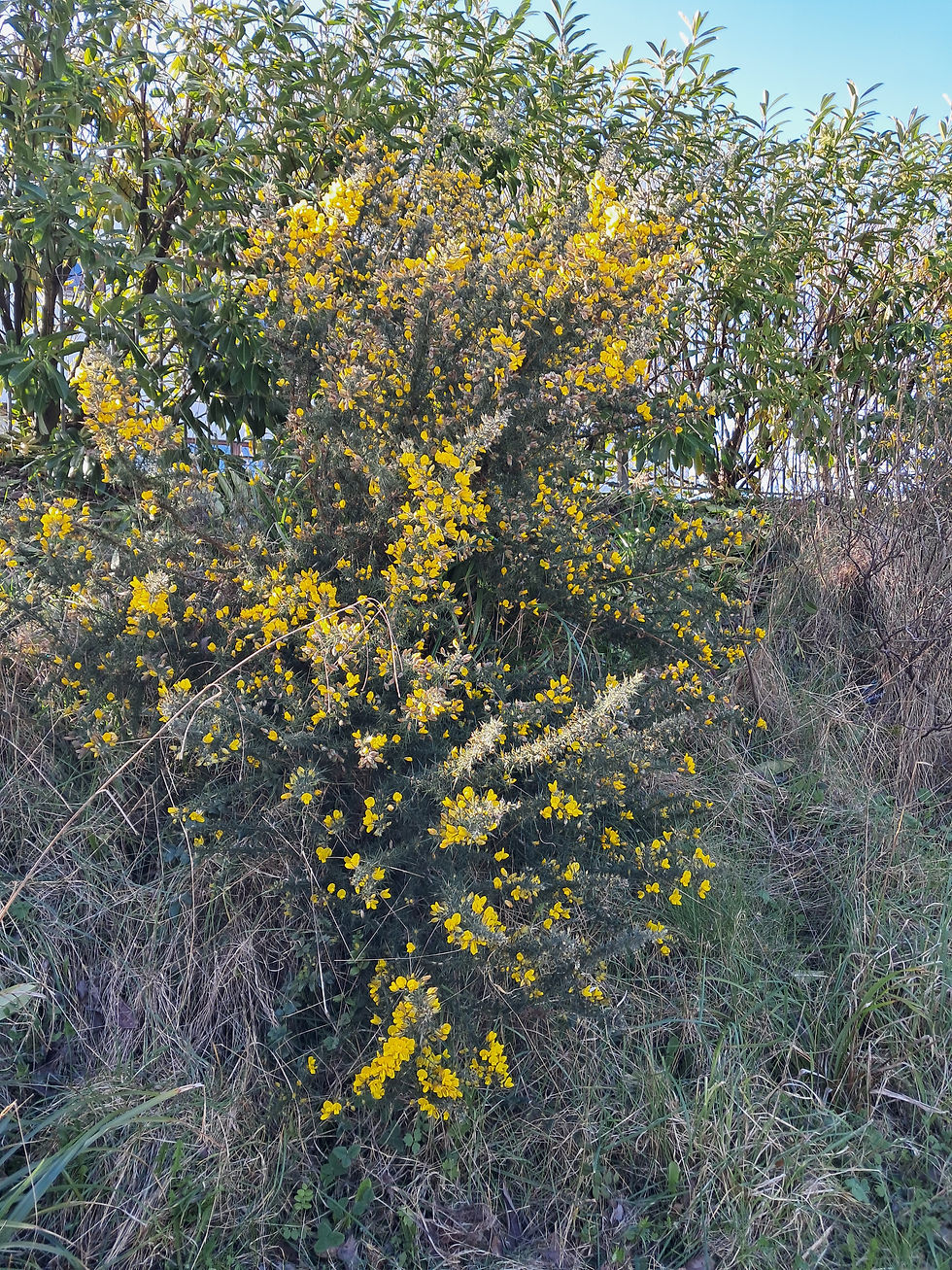


A stage set and lit, ready for the rehearsal of light.
Even the trees — those that so boldly stripped themselves in Winter — now hint at green. A pale, tender green, not yet flaunting the full splendor of its natural attire… yet already arranging itself, with meticulous care, as if stitched for the premiere of the coming season.
It is true that the sky hesitates before the premiere, turning grey, filtering the day… Yet the returning birds give it the courage to be blue…
And many are the species that, in small flocks, pour into Ireland. One of the first is the Wheatear (Oenanthe oenanthe). Known for its slender beak, brownish-grey back, white or cream chest and cheeks, and contrasting tail — white with a black tip — it often perches on rocks or low walls. Its movements are quick, and its song discreet, without clamor or hysteria.
The Sand Martin (Riparia riparia) — the Bank Swallow — tears across the sky, even before the arrival of the classic swallows. Small and agile, it has brownish-grey back and white belly, with the characteristic brown band across its chest. Swift and light, it slices through the air in small flocks, perching only on sandbanks or sandy shores.
With the full light of the equinox, at the end of March or the beginning of April, the Barn Swallows (Hirundo rustica) and the House Martins (Delichon urbicum) arrive. Agile and graceful, they cross the sky in small flocks, slicing the air with their elegant flights. The orange belly and forked tail of the former contrast with the white belly and dark blue back of the latter, announcing that spring has fully settled in. They perch under eaves and ledges, weaving themselves into the human world — as if they had always been a part of it.
And we, all of us, eager for the performance to begin, take our places in the audience…


Comentários