Bolha ou não bolha, eis a questão... (desculpa Shakespeare)/ Bubble or Not Bubble, that Is the question... (Sorry Shakespeare)
- luaemp
- 8 de mar. de 2025
- 7 min de leitura
(Followed by the English version)

Sempre me disseram que Dublin não era Irlanda… Que a cidade e o condado vivem numa bolha à parte, longinquamente afastada da "verdadeira" Irlanda. O trânsito caótico, os preços absurdos da habitação, restauração, a vida acelerada... tudo isso contrasta com a ideia mais tradicional da Irlanda rural, onde as pessoas se cumprimentam na rua e o ritmo da existência é outro. Confirmo tudo isso e acrescento que por cá têm todos o mesmo ar empinado das gentes das capitais, distantes dos outros e de si mesmas. Olham sem ver, passam entre a mediocridade dos dias com a indiferença atarefada das rotinas cosmopolitas tropeçando no enxame de turistas que constantemente entram e saem depois de sugarem litros de Guinness em vez da paisagem…
Claro que não vou convencer os meus amigos de Sligo, Galway ou Donegal que esta visão de Dublin como uma bolha, que se despe da “alma irlandesa” ou a contradiz pode não ser assim tão linear…
De mais a mais, Dublin não é só a cidade… Se olharmos para o condado como um todo, talvez se perceba que o ADN irlandês está bem patente…
Mas por agora, tentemos encontrar o que resta dessas instruções genéticas no meio do caos urbano da Capital…
Provavelmente estarão naquilo que sobrevive à pressa moderna, nos rios, em que o Liffey, dividindo a cidade como uma espinha dorsal, é o que mais se impõe por estar sempre visível, nas suas pontes entre as quais a Penny Ha'penny Bridge (1816), uma ponte pedonal onde durante séculos se cruzaram trabalhadores, poetas, sonhadores e desesperados, carregando nos seus passos, ainda hoje, ecos de outras eras.
Nos monumentos, que não são apenas pedras erguidas para turistas fotografarem, mas marcos de um passado que ainda pesa sobre os ombros da cidade, nas ruas de Georgian Dublin, onde as portas coloridas, tão “instagramáveis” agora, já serviram para distinguir casas num tempo em que números e nomes eram menos importantes do que reconhecer a cor certa ao fim de um dia de trabalho ou no regresso dos pubs 🤭.
Estarão no Trinity College, com a sua riquíssima Biblioteca, que guarda em silêncio a sabedoria de séculos, nas suas arcadas, onde escritores, poetas e filósofos encontram uma casa, onde o conhecimento resiste e floresce.
Estarão nos pequenos detalhes que tantas vezes tendem a passar despercebidos, nas esquinas onde, sem aviso, surge uma estátua, uma placa, um vestígio de um nome que moldou a cidade e a identidade irlandesa, ou no, provavelmente mais conhecido bairro da cidade (e arredores), Temple Bar, onde as ruas vibram com a energia das tradições, dos artistas e da vida nocturna que nunca dorme, mantendo viva a chama boémia que sempre caracterizou Dublin.


Estarão também naquilo que não se vê de todo (ou quase), como os diversos cursos de água, subterrados pelo tempo e pela cidade de betão, como o Poddle, o rio fantasma que foi, em grande parte, canalizado e que agora corre preso, debaixo da cidade mas que em tempos alimentou a própria identidade da capital. Afluente do Liffey, abastecia o fosso do Castelo de Dublin e deu origem ao nome da cidade – Dubh Linn, ou "Lagoa Negra" –, uma área de águas escuras formadas pelo encontro dos dois rios. Foi fundamental para o fornecimento de água potável, fez accionar moinhos e serviu de escudo de segurança contra possíveis invasões ao Castelo.


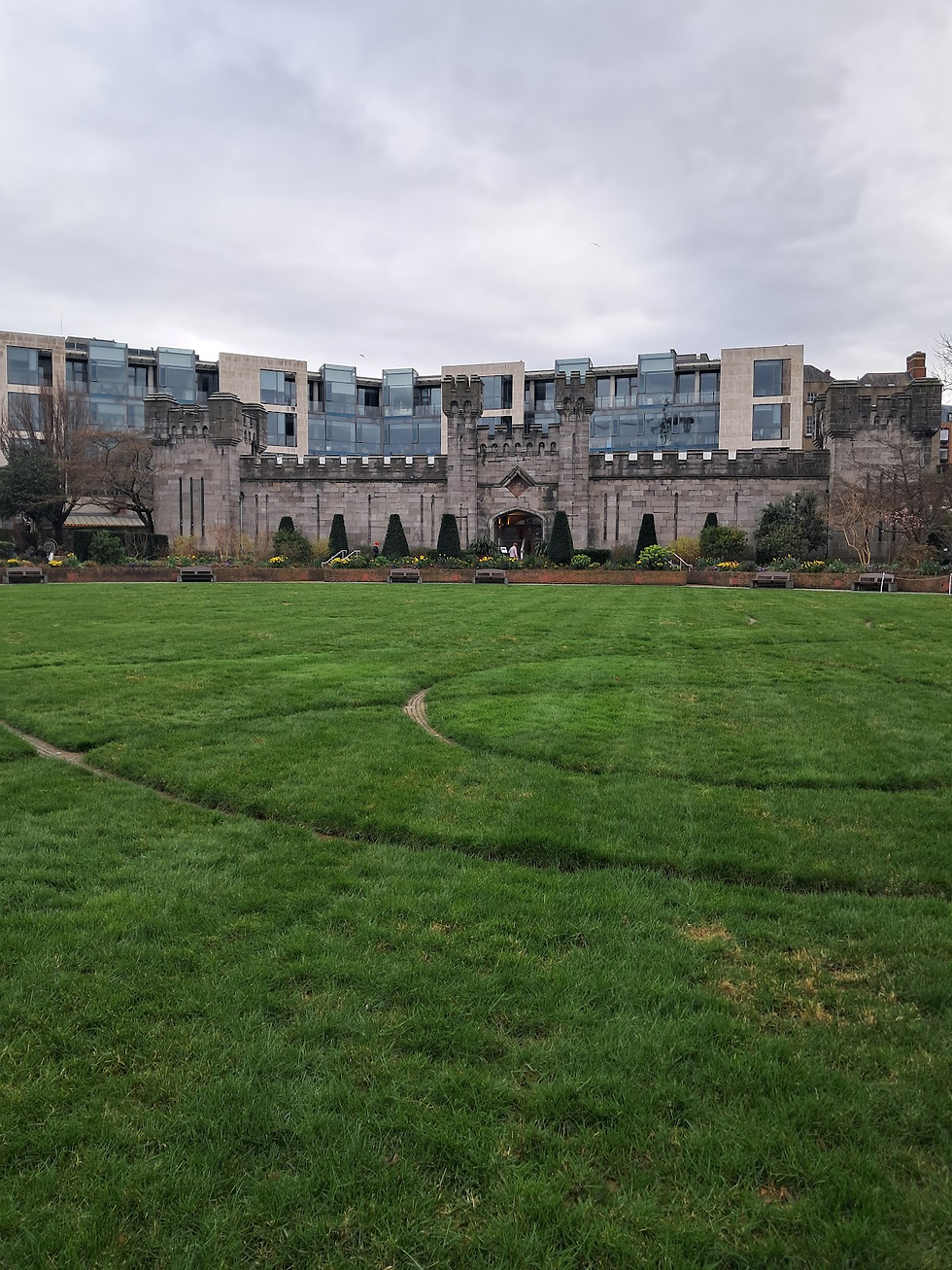
Hoje, a cidade ainda sente a sua presença – nos pequenos trechos visíveis, que escaparam ao seu aprisionamento como na área perto do Castelo de Dublin e nas proximidades de St. Stephen's Green, onde o que sobra deste rio corre, timidamente, em liberdade. Também é possível sentir a sua influência quando se busca o que sobreviveu ao tempo, nomeadamente nas marcas da sua influência na cidade, no impacto que teve no crescimento e na organização de Dublin.
Vejam: The River Poddle underneath the city of Dublin's Streets
Estarão ainda, e acima de tudo, na história – não como algo distante ou encerrado nos livros, mas como um pulsar que nunca se extingue. Dublin sobreviveu a revoluções, a fomes, a exílios. Mas também se fez de poesia, de música e de sonhos, que ainda se agarram às pedras da cidade, às ruas onde a chuva persiste, às vozes que nunca se calam por completo. Prova disso são os versos de Yeats, a mordacidade de Swift, a melancolia de Joyce, a ironia de Beckett ou o espírito irreverente de Oscar Wilde, os acordes de Luke Kelly e dos Dubliners, na rebeldia de Sinéad O’Connor, na profundidade de Lisa Hannigan, na força de Hozier, na poesia de Van Morrison, U2 e na alma de The Chieftains, exemplos, entre tantos outros, da poesia e melodias que se entoam nos pubs entre um gole e outro. Dublin tem o peso da sua história, mas também a leveza de quem sempre soube rir de si mesma, de quem faz da palavra uma arma, um refúgio, um brinde ao que foi e ao que ainda está por vir.
Entendo e concordo com tudo o que por essa Irlanda fora me disseram acerca da capital... Mas esclareço: a cidade tem tudo... Talvez tenham de ter a coragem de rebentar a bolha, “desempinarem” o nariz e redescobrirem-se no seu genuíno legado…
English Version
Bubble or Not Bubble, That Is the Question... (Sorry Shakespeare)
I've always been told that Dublin is not Ireland... That the city and the county live in a bubble apart, far removed from the 'real' Ireland. The chaotic traffic, the absurd housing prices, the fast-paced life... all of this contrasts with the more traditional idea of rural Ireland, where people greet each other on the street and the pace of life is different.I confirm all of this and add that here, everyone has the same upturned noses of people from capitals, distant from others and from themselves. They look without seeing, pass through the mediocrity of the days with the busy indifference of cosmopolitan routines, stumbling through a swarm of tourists who constantly come and go after drinking litres of Guinness instead of taking in the landscape…
Of course, I won't convince my friends from Sligo, Galway or Donegal that this view of Dublin as a bubble, that sheds or contradicts the 'Irish soul', might not be so straightforward... Furthermore, Dublin is not just the city... If we look at the county as a whole, perhaps it becomes clear that the Irish DNA is still very much present... But for now, let's try to find what remains of these genetic instructions amidst the urban chaos of the Capital…
Probably in what survives the modern rush, in the rivers, where the Liffey, dividing the city like a backbone, stands out the most by always being visible, with its bridges, among which the Penny Ha'penny Bridge (1816) stands — a pedestrian bridge where, for centuries, workers, poets, dreamers, and the desperate, carrying in their steps, even today, echoes of other eras.
In the monuments, which are not just stones erected for tourists to photograph, but landmarks of a past that still weighs heavily on the city's shoulders, in the streets of Georgian Dublin, where the colourful doors, now so 'Instagrammable', once served to distinguish houses in a time when numbers and names were less important than recognising the right colour after a day's work or on the way back from the pubs 🤭.
They will be at Trinity College, with its magnificent Library, which silently holds the wisdom of centuries, in its arcades, where writers, poets, and philosophers find a home, where knowledge resists and flourishes.
They will be in the small details that so often tend to go unnoticed, on corners where, without warning, a statue, a plaque, or a trace of a name that shaped the city and Irish identity suddenly appears, or in the probably most famous neighbourhood of the city (and surroundings), Temple Bar, where the streets vibrate with the energy of traditions, artists, and nightlife that never sleeps, keeping alive the bohemian spirit that has always characterised Dublin.


They will be in what is not seen at all (or almost), like the various waterways buried by time and the concrete city, such as the Poddle, the ghost river that was largely channelled and now runs trapped beneath the city — yet once nourished the very identity of the capital. A tributary of the Liffey, it supplied the moat of Dublin Castle and gave the city its name — Dubh Linn, or 'Black Pool'— a dark body of water formed by the meeting of the two rivers. It was vital for the supply of drinking water, powered mills, and served as a defensive barrier against potential invasions of the Castle.


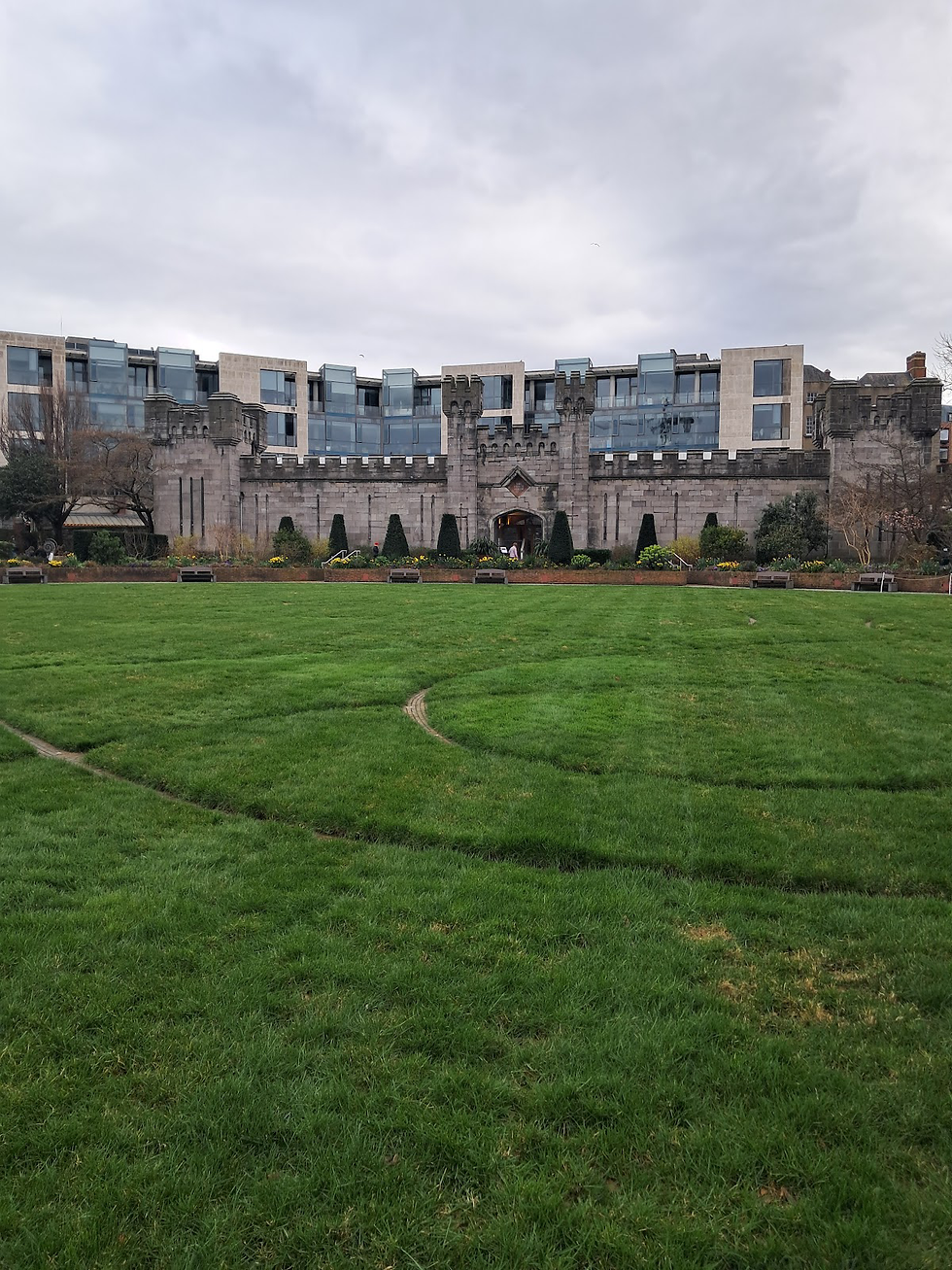
Today, the city still feels its presence – in the small visible stretches that escaped its confinement, such as the area near Dublin Castle and around St. Stephen’s Green, where what remains of this river flows timidly, in freedom. Its influence can also be sensed when one looks for what has endured over time, namely in the traces it left on the city, in the impact it had on Dublin’s growth and organisation.
Have a look: The River Poddle underneath the city of Dublin's Streets
They will be, and above all, in history — not as something distant or confined to books, but as a heartbeat that never fades. Dublin has survived revolutions, famines, and exiles. But it has also been shaped by poetry, music, and dreams, which still cling to the city’s stones, to its rain-soaked streets, to voices that never truly fall silent. Proof of this lies in the verses of Yeats, the sharp wit of Swift, the melancholy of Joyce, the irony of Beckett, and the irreverent spirit of Oscar Wilde; in the chords of Luke Kelly and The Dubliners, in the defiance of Sinéad O’Connor, the depth of Lisa Hannigan, the power of Hozier, the poetry of Van Morrison, U2, and the soul of The Chieftains — just a few among many who have woven poetry and melody into the fabric of the city, sung in pubs between sips. Dublin carries the weight of its history, but also the lightness of a place that has always known how to laugh at itself, that turns words into
weapons, refuge, and a toast — to what was and to all that is yet to come.
I understand and agree with everything I’ve been told across Ireland about the capital... But let me clarify: the city has it all. Perhaps the people of Dublin need to have the courage to burst the bubble, “downturn” their noses, and rediscover themselves in their true legacy.


Que bom reconhecer outras paragens e reviver outros momentos com as tuas crónicas...