Irlanda: Uma Biblioteca Viva/ Ireland: A Living Library
- luaemp
- 12 de out. de 2025
- 13 min de leitura
(Followed by the English version)


Pequenina no mapa, mas gigante nas letras, a Irlanda parece ter uma capacidade quase mágica de gerar escritores que atravessam séculos e fronteiras. Talvez seja o hábito antigo de contar histórias junto à lareira, a tradição oral que se transforma em literatura, ou simplesmente o temperamento irlandês — mas o certo é que a palavra nunca foi só palavra: é memória, identidade e resistência.
Já no século XVIII, Jonathan Swift (1667–1745) se destacou como mestre da sátira. Travels into Several Remote Nations of the World. In Four Parts. By Lemuel Gulliver, First a Surgeon, and then a Captain of Several Ships, publicado em 1726 e mais conhecido por Gulliver's Travels (As Viagens de Gulliver), é, desde o título, uma crítica mordaz à política, à ciência e à sociedade do seu tempo. Através de viagens a terras de gigantes ou de seres minúsculos, Swift expôs com ironia as fraquezas humanas e os abusos de poder. Verdade que ao longo dos séculos este livro foi sendo reeditado e adaptado, muitas vezes em versões simplificadas e ilustradas, destinadas a crianças e adolescentes, onde a carga satírica e política desaparece ou fica muito atenuada, restando sobretudo a aventura fantástica — Gulliver perdido entre gigantes, liliputianos, cavalos sábios ou ilhas voadoras.

(Imagem retirada de Raptis Rare Books)
No século XIX, Oscar Wilde (1854–1900) surgiu com uma ironia mordaz e tornou-se um dos maiores mestres da sátira social. Publicou o seu primeiro livro, Poems (1881), ainda jovem, e mais tarde consolidou a sua reputação com peças de teatro, contos e ensaios, combinando humor, crítica e um estilo elegante, construindo frases ainda hoje afiadas e brilhantes. Obras como O Retrato de Dorian Gray e O Leque de Lady Windermere não só conquistaram leitores como desafiaram convenções sociais e morais da época, tornando Wilde numa figura quase emblemática da luta entre liberdade individual e moral rígida da sociedade vitoriana, mantendo-se até hoje um exemplo do poder da palavra e da crítica subtil.

(Imagem retirada de Manhattan Rare Books)
Também no século XIX, Bram Stoker (1847–1912) se destacou como um escritor cuja fama atravessaria gerações graças a Drácula, publicado em 1897. Mais do que um simples romance de terror, a obra construiu um universo de medo, fascínio e mistério, reflectindo ansiedades da época — da ciência à moral vitoriana, do desconhecido à sexualidade reprimida. Stoker não criou apenas um vampiro; criou um mito que perdura no imaginário colectivo, influenciando filmes, séries e literatura até hoje. A riqueza do seu trabalho reside também na habilidade de tecer suspense e atmosfera, envolvendo o leitor sem nunca o deixar esquecer a narrativa.

(Imagem retirada de Abebooks)
Ainda no século XIX, resvalando para o XX, surge William Butler Yeats (1865–1939), poeta, dramaturgo e figura central do renascimento literário irlandês. Publicou o seu primeiro livro de poesia, The Wanderings of Oisin and Other Poems (1889), e desde cedo revelou uma sensibilidade poética refinada, combinada com um profundo interesse pelo misticismo, pelo folclore e pelas tradições celtas, transformando mitos e lendas da Irlanda em poesia universal. O seu trabalho não só consolidou a identidade literária do país, como também lhe valeu o Nobel da Literatura em 1923, reconhecendo a sua capacidade de fundir o passado mítico com as inquietações do presente. Com versos de grande musicalidade e força simbólica, Yeats continua a ser uma referência incontornável para quem procura compreender a alma literária da Irlanda.


(Imagens retiradas de Ulysses Rare Books)
No século XX, James Joyce (1882–1941) revolucionou a literatura com a sua abordagem inovadora à narrativa. O seu livro de estreia foi Chamber Music (1907), uma colectânea de poemas e depois obras como Dubliners e, sobretudo, Ulisses, nas quais explorou o quotidiano, a consciência e os labirintos da mente humana de forma até então inédita. A sua escrita é marcada por jogos de linguagem, monólogos interiores e experimentações formais que desafiam o leitor, mas também revelam uma Irlanda vibrante, complexa e multifacetada. Mais do que contar histórias, Joyce reinventou a forma de as contar, tornando-se uma referência incontornável para a literatura moderna e consolidando o seu lugar como um dos maiores escritores irlandeses de sempre.

(Imagem retirada de Burnside Rare Books)
Já Samuel Beckett (1906–1989) destacou-se como dramaturgo e romancista, conhecido pelo seu estilo minimalista e pela exploração do absurdo. Publicou primeiro Whoroscope (1930), uma coletânea de poemas, antes de criar obras como Esperando Godot, em que questiona a existência, o tempo e a condição humana, desafiando convenções narrativas e teatrais. A sua escrita, muitas vezes seca e económica, revela, contudo, uma profundidade filosófica imensa, transformando o vazio e a repetição em reflexões sobre a vida e a sua complexidade. Nobel da Literatura em 1969, Beckett continua a influenciar escritores e dramaturgos em todo o mundo, consolidando-se como uma das vozes mais originais da literatura irlandesa moderna.

(Imagem retirada de Burnside Rare Books)
No final do século XX, Seamus Heaney (1939–2013) tornou-se uma referência incontornável como poeta, ensaísta de enorme prestígio e tradutor, tornando-se uma das vozes mais reconhecidas da Irlanda contemporânea. O seu primeiro livro de poesia, Death of a Naturalist (1966), trouxe-lhe reconhecimento imediato. Mas seria com North (1975) — talvez o mais famoso, onde explorou a arqueologia, a mitologia nórdica e a violência política na Irlanda do Norte — que consolidaria a sua reputação.
Com uma escrita profundamente ligada à terra, à memória e às tradições irlandesas, Heaney transformou o quotidiano em poesia universal, capaz de tocar leitores em qualquer parte do mundo. A sua atenção ao ritmo da língua e à musicalidade dos versos, aliada à reflexão sobre história e identidade, valeu-lhe o Nobel da Literatura em 1995. Heaney continua a ser um ponto de referência para compreender a riqueza e a diversidade da poesia irlandesa moderna.


(Imagens retiradas de Ulysses Rare Books)
Edna O’Brien (1930–2022) brilhou como romancista e contista, oferecendo uma voz única à experiência feminina na Irlanda. Com o seu primeiro romance, The Country Girls (1960), seguido pelos outros dois da trilogia, The Lonely Girl (1962) e Girls in Their Married Bliss (1964), O’Brien explorou temas que, durante muito tempo, eram considerados tabus — sexualidade, casamento, liberdade pessoal e repressão social. A sua escrita, directa e sensível, combina uma observação aguçada da vida quotidiana com uma profundidade emocional capaz de envolver e desafiar o leitor. O’Brien contribuiu decisivamente para dar visibilidade à perspectiva feminina na literatura irlandesa, consolidando o seu lugar como uma autora incontornável do século XX.


(Imagens retiradas de Ulysses Rare Books)
Maeve Binchy (1940–2012) sobressaiu como romancista capaz de transformar o quotidiano em narrativa envolvente. O seu primeiro romance, Light a Penny Candle (1982), é uma história de amadurecimento que acompanha a amizade entre duas raparigas, desde a infância até à idade adulta, mostrando desde cedo o talento de Binchy para retratar relações humanas e a vida quotidiana irlandesa. A força das personagens de Binchy está na humanidade quotidiana, nas suas falhas, alegrias e desejos, tornando-as facilmente identificáveis e cativantes para o leitor. Em Circle of Friends, Benny Hogan e Nan Mahon vivem a amizade, o amor e as pressões sociais de uma pequena cidade irlandesa, enquanto em Tara Road, Ria Lynch atravessa experiências de perda, reencontro e autodescoberta, mostrando a universalidade das emoções humanas. Com este talento, Binchy tornou o quotidiano irlandês tão fascinante quanto qualquer épico.
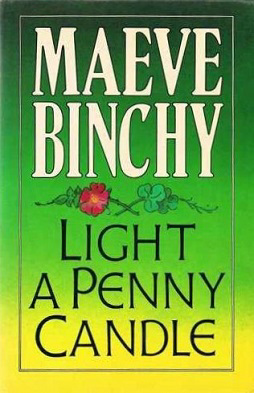
(Imagem retirada de Wikipédia)
Entre os escritores contemporâneos, Colm Tóibín (1955–) e Roddy Doyle (1958–) destacam-se como vozes essenciais da Irlanda moderna. Tóibín iniciou o seu percurso literário com o livro de não-ficção Walking Along the Border (1987), fruto de uma viagem a pé pela fronteira entre a República da Irlanda e a Irlanda do Norte, onde combinou observação, entrevistas e reflexão histórica. Foi republicado em 1994 sob o título Bad Blood: A Walk Along the Irish Border.

(Imagem retirada de Ulysses Rare Books)
Estreou-se no romance com The South (1990) e, desde então, combina uma escrita elegante e introspectiva com temas de identidade, história e memória, explorando tanto a experiência pessoal como a herança cultural do país em obras como
The Master (2004) e Brooklyn (2009) — este último particularmente curioso por se centrar numa jovem irlandesa, Eilis Lacey, que emigra para os Estados Unidos na década de 1950 em busca de oportunidades. O livro mostra o choque cultural, a saudade e o dilema entre a vida construída em Nova Iorque e os laços que a prendem à Irlanda.
Doyle, por seu lado, captura com humor, ritmo e realismo a vida quotidiana de Dublin e das comunidades irlandesas. Iniciou-se na ficção com The Commitments (1987), romance que retrata um grupo de jovens dublinenses a formar uma banda de soul e alcançou grande reconhecimento com Paddy Clarke Ha Ha Ha (1993) — que lhe valeu o Booker Prize e é narrado por um rapaz de dez anos que cresce num bairro de Dublin, transmitindo a mistura de inocência, curiosidade e crueldade que marca a infância.

(Imagem retirada de Ulysses Rare Books)

(Imagem retirada de Ulysses Rare Books)
São apenas dois entre muitos autores que continuam a provar que, na Irlanda, a literatura não cessa de se reinventar, mantendo intacta a sua força e reflectindo a alma de um país que é, por si só, uma biblioteca viva.
English Version
Tiny on the map but giant in letters, Ireland seems to have an almost magical ability to produce writers who transcend centuries and borders. Perhaps it’s the old habit of storytelling by the fireside, the oral tradition turned into literature, or simply the Irish temperament — but one thing is certain: words were never just words; they are memory, love, identity, and resistance.
Already in the 18th century, to not go any further back, Jonathan Swift (1667–1745) stood out as a master of satire. Travels into Several Remote Nations of the World. In Four Parts. By Lemuel Gulliver, First a Surgeon, and then a Captain of Several Ships, published in 1726 and better known as Gulliver’s Travels, is, from its very title, a biting critique of the politics, science, and society of its time. Through journeys to lands of giants or tiny beings, Swift exposed with irony the weaknesses of human nature and the abuses of power. It is true that, over the centuries, this book has been reissued and adapted, often in simplified and illustrated versions aimed at children and adolescents, where the satirical and political charge disappears or becomes greatly softened, leaving above all the fantastic adventure — Gulliver lost among giants, Lilliputians, wise horses or flying islands.

(Imagem retirada de Raptis Rare Books)
In the 19th century, Oscar Wilde (1854–1900) emerged with biting irony and became one of the greatest masters of social satire. He published his first book, Poems (1881), while still young, and later consolidated his reputation with plays, short stories, and essays, combining humor, critique, and an elegant style, crafting sentences that remain sharp and brilliant to this day. Works such as The Picture of Dorian Gray and Lady Windermere’s Fan not only captivated readers but also challenged the social and moral conventions of the time, making Wilde an almost emblematic figure of the struggle between individual freedom and the rigid morality of Victorian society, remaining to this day an example of the power of words and subtle criticism.

(Image taken from Manhattan Rare Books)
Also in the 19th century, while Wilde explored the realm of social irony, Bram Stoker (1847–1912) stood out for the darker and more fantastic side of literature, creating a universe of fear and mystery that reflected the anxieties of his time. A writer whose fame would transcend generations thanks to Dracula, published in 1897. More than a mere horror novel, the work delved into everything from science to Victorian morality, from the unknown to repressed sexuality. Stoker did not merely create a vampire; he created a myth that endures in the collective imagination. The richness of his work lies in his ability to weave suspense and atmosphere, drawing the reader in without ever letting them lose sight of the narrative.
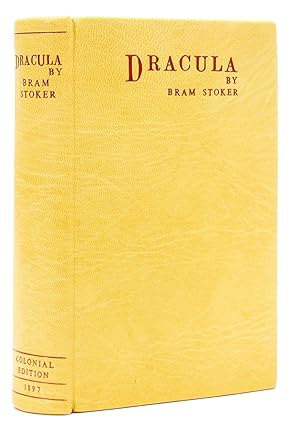
(Image taken from Abebooks)
Still in the 19th century, William Butler Yeats (1865–1939) emerged as a poet, playwright, and central figure of the Irish Literary Revival. He published his first book of poetry, The Wanderings of Oisin and Other Poems (1889), and from early on revealed a refined poetic sensibility, combined with a deep interest in mysticism, folklore, and Celtic traditions, transforming Ireland’s myths and legends into universal poetry. His work not only consolidated the country’s literary identity but also earned him the Nobel Prize in Literature in 1923, recognizing his ability to merge the mythical past with the concerns of the present. With verses of great musicality and symbolic power, Yeats remains an essential reference for anyone seeking to understand the literary soul of Ireland.


(Images taken from Ulysses Rare Books)
The voice of Patrick Kavanagh (1904–1967) rises from the fields of Monaghan, where he was born and raised. The son of a small farmer, he brought to poetry the harshness of rural life, the mud of the roads, the toil of the land, and the simplicity of its people. Considered by some a “parochial” poet, it was precisely in his focus on the small and everyday that he found his strength.
His first book, Ploughman and Other Poems (1936), although it went relatively unnoticed at first, already revealed his refusal to follow the elevated and mythical tone of Yeats.


(Images taken from Ulysses Rare Books)
But it was undoubtedly with The Great Hunger (1942) — a book consisting of a single, long poem, a kind of modern epic that, instead of heroes and myths, depicts a peasant trapped in routine, frustration, and the harshness of rural life — that Kavanagh found his greatest voice, exposing with stark realism the loneliness and hardships of the peasant world.
It is said that he freed Irish poetry from Yeats’s grasp, steering it away from mythical and heroic weight to restore the authenticity and roughness of lived experience. By transforming the ordinary into the universal, he paved the way for a new generation, inspiring figures such as Seamus Heaney, and securing his place as one of the great renovators of Irish poetry.
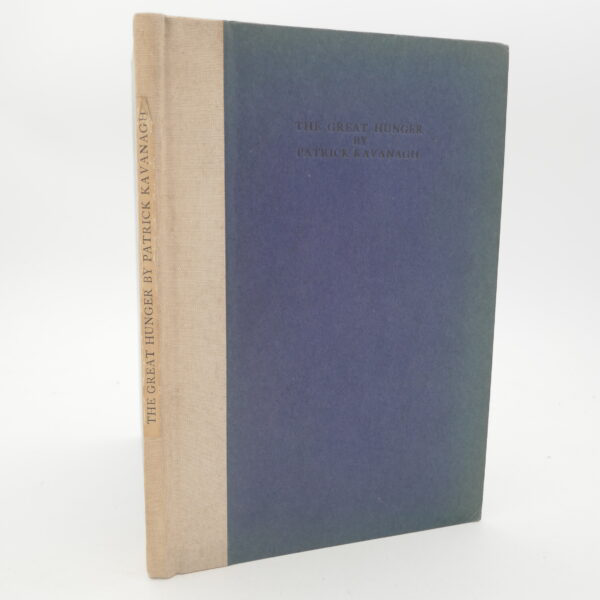

(Images taken from Ulysses Rare Books)
James Joyce (1882–1941) revolutionized literature with his innovative approach to narrative. His debut book was Chamber Music (1907), a collection of poems, followed by works such as Dubliners and, above all, Ulysses, in which he explored everyday life, consciousness, and the labyrinths of the human mind in ways never seen before. His writing is marked by wordplay, interior monologues, and formal experimentation that challenge the reader, while also revealing a vibrant, complex, and multifaceted Ireland. More than merely telling stories, Joyce reinvented the way they are told, becoming an essential reference for modern literature and cementing his place as one of Ireland’s greatest writers of all time.

(Image taken from Burnside Rare Books)
Samuel Beckett (1906–1989) stood out as a playwright and novelist, known for his minimalist style and exploration of the absurd. He first published Whoroscope (1930), a collection of poems, before creating works such as Waiting for Godot, in which he questions existence, time, and the human condition, challenging narrative and theatrical conventions. His writing, often stark and economical, nevertheless reveals immense philosophical depth, transforming emptiness and repetition into reflections on life and its complexities. Awarded the Nobel Prize in Literature in 1969, Beckett continues to influence writers and playwrights worldwide, establishing himself as one of the most original voices in modern Irish literature.

(Image taken from Burnside Rare Books)
Seamus Heaney (1939–2013), born into a rural family in the border county of Derry, Northern Ireland, brought from an early age to his writing the experience of the land and his roots, a connection to the north of the island that runs throughout his work. He pursued a distinguished academic career, teaching poetry and literature at universities such as Oxford, where he also established himself as a respected essayist and translator. His first book of poetry, Death of a Naturalist (1966), earned him immediate recognition.


(Images taken from Ulysses Rare Books)
But it was with North (1975) — perhaps his most famous work, renowned for the poems about the “bog bodies,” bodies preserved in the peat bogs of Denmark dating from the Iron Age, which Heaney studied in archaeological research and transformed into poetic metaphors — that he solidified his reputation. In those ancient figures of sacrifice and ritual violence, the poet saw a mirror of the contemporary violence during the Northern Ireland Troubles.

(Image taken from Ulysses Rare Books)
Following the path opened by Kavanagh, Heaney transformed the land, memory, and Irish traditions into universal poetry, capable of touching readers anywhere in the world. His attention to the rhythm of language and the musicality of verse, combined with reflections on history and identity, earned him the Nobel Prize in Literature in 1995. Heaney established himself as an essential reference point for understanding the richness and diversity of modern Irish poetry.
Edna O’Brien (1930–2022) shone as a novelist and short story writer, offering a unique voice to the female experience in Ireland. With her first novel, The Country Girls (1960), followed by the other two in the trilogy, The Lonely Girl (1962) and Girls in Their Married Bliss (1964), O’Brien explored themes long considered taboo — sexuality, marriage, personal freedom, and social repression. Her writing, direct and sensitive, combines keen observation of everyday life with an emotional depth that engages and challenges the reader. O’Brien played a decisive role in giving visibility to the female perspective in Irish literature, securing her place as an indispensable author of the 20th century.


(Images taken from Ulysses Rare Books)
Maeve Binchy (1940–2012) stood out as a novelist capable of transforming everyday life into engaging narrative. Her first novel, Light a Penny Candle (1982), is a coming-of-age story that follows the friendship between two girls from childhood to adulthood, early on revealing Binchy’s talent for portraying human relationships and Irish daily life. The strength of Binchy’s characters lies in their everyday humanity — their flaws, joys, and desires — making them easily relatable and captivating for the reader. In Circle of Friends, Benny Hogan and Nan Mahon experience friendship, love, and the social pressures of a small Irish town—a story that was adapted into a film in 1995, keeping the book’s title and the essence of the narrative, although some situations and characters were simplified for the screen. In Tara Road, Ria Lynch goes through experiences of loss, reunion, and self-discovery, revealing the universality of human emotions. With this talent, Binchy made everyday Irish life as captivating as any epic.

(Image taken from Wikipédia)
Among contemporary writers, Colm Tóibín (1955–) and Roddy Doyle (1958–) stand out as essential voices of modern Ireland. Tóibín began his literary career with the non-fiction book Walking Along the Border (1987), the result of a walking journey along the border between the Republic of Ireland and Northern Ireland, where he combined observation, interviews, and historical reflection. It was republished in 1994 under the title Bad Blood: A Walk Along the Irish Border.

(Image taken from Ulysses Rare Books)
He made his debut in fiction with The South (1990) and, since then, has combined elegant and introspective writing with themes of identity, history, and memory, exploring both personal experience and the country’s cultural heritage in works such as The Master (2004) and Brooklyn (2009)—the latter particularly notable for focusing on a young Irishwoman, Eilis Lacey, who emigrates to the United States in the 1950s in search of opportunities. The book depicts the cultural shock, longing, and the dilemma between the life she builds in New York and the ties that bind her to Ireland.
But you can also watch the 2015 film.
Doyle, on the other hand, captures everyday life in Dublin and Irish communities with humor, rhythm, and realism. He began his fiction career with The Commitments (1987), a novel depicting a group of young Dubliners forming a soul band, and achieved great recognition with Paddy Clarke Ha Ha Ha (1993) — which won him the Booker Prize and is narrated by a ten-year-old boy growing up in a Dublin neighborhood, conveying the mix of innocence, curiosity, and cruelty that defines childhood.

(Image taken from Ulysses Rare Books)

(Image taken from Ulysses Rare Books)
The story of The Commitments was adapted into a film in 1991, keeping the book’s title and the spirit of the band, with plenty of humor and infectious music.
They are just two among many authors who continue to prove that in Ireland, literature never ceases to reinvent itself, retaining its full power and reflecting the soul of a country that is, in itself, a living library.
I apologize in advance to my Irish friends for my limited knowledge on this subject. The selection presented represents only a tiny fraction of the immense genius of Irish literature, but these are the authors whose work I know best. However, I believe it can serve as a good sample to spark curiosity and deepen one’s understanding of this country — essential for those who live here and are not Irish, or for anyone else interested.


Comentários